How to Enhance Your Wildlife Photography Skills in Australia
Mastering Australian Wildlife Photography
Australian wildlife photography offers a unique blend of opportunity and challenge, with its diverse ecosystems captivating photographers worldwide. As we delve into these dynamic habitats, it becomes crucial to understand the ethical responsibilities that accompany wildlife photography. Australian locations like the Royal Botanic Gardens offer a local treasure trove for those focused on capturing native flora and fauna while respecting the delicate balance of their environment.
For those with an affinity for adventurous travel, the vast landscapes offer endless possibilities. Consider embarking on a Kenya safari to juxtapose the vibrant African wildlife with Australia's native creatures. This comparative exploration provides photographers with a well-rounded portfolio of international wildlife imagery.
For those who are drawn to colder climates, experiencing the wonders of arctic cruises offers a stark contrast to the sun-drenched expanses of Australia. The mesmerizing interplay between the icy wilderness and agile marine life challenges and rewards photographers in equal measure.
Finally, for an unrivalled convergence of biodiversity, Galapagos cruise tours present an opportunity to document unique species thriving in pristine environments. By incorporating these destinations into your travel itinerary, you can draw connections between ecosystems that face similar conservation challenges due to climate change and human impact.
Remember, regardless of the destination, the key is to approach every shoot with a focus on authenticity and minimal disruption to your subjects. By striving for ethical practices, you not only enrich your craft but contribute to the broader conversation around wildlife conservation.
Essential Gear and Setup
Must-Have Photography Equipment
Capturing the essence of wildlife requires a careful selection of photography equipment that will help in every situation. For those aiming to excel in south american tours, a robust telephoto lens is a non-negotiable item. This lens allows photographers to keep a respectable distance from animals while still producing detailed and intimate shots.
A sturdy tripod is another essential tool, especially when shooting in low-light settings to avoid motion blur. Pair this with a high-quality DSLR or mirrorless camera that can accommodate interchangeable lenses, ensuring flexibility and adaptability in various wildlife environments. Don't overlook the importance of carrying multiple memory cards and batteries; wildlife moments are often unpredictable, hence being prepared is crucial.
How to Optimize Camera Settings
When it comes to optimizing camera settings, understanding the nuances of lighting and movement is key for any wildlife photographer. For trips like south africa tours, where lighting conditions change rapidly, setting the ISO to a higher value helps in low-light situations without compromising the speed of the shutter. Additionally, using continuous autofocus tracking assists in capturing moving subjects with precision. Adjusting the white balance to the existing lighting can also enhance the color accuracy of your shots.
Maintaining Gear in the Wild
Maintaining your photography gear in the wild is paramount to ensure longevity and performance. Protecting equipment from environmental factors such as dust and humidity is necessary, and using rain covers and lens cloths can mitigate these worries. Regular cleaning and inspection will keep your gear in top condition, minimizing the risk of malfunction during critical photography moments. Equipping yourself with these essentials will empower you to capture the vibrant wildlife on your next adventure. As we explore the captivating displays at Healesville Sanctuary, preparing the right equipment will make all the difference in encapsulating the raw beauty of the natural world.
Techniques for Stunning Shots
Framing and Composition Tips
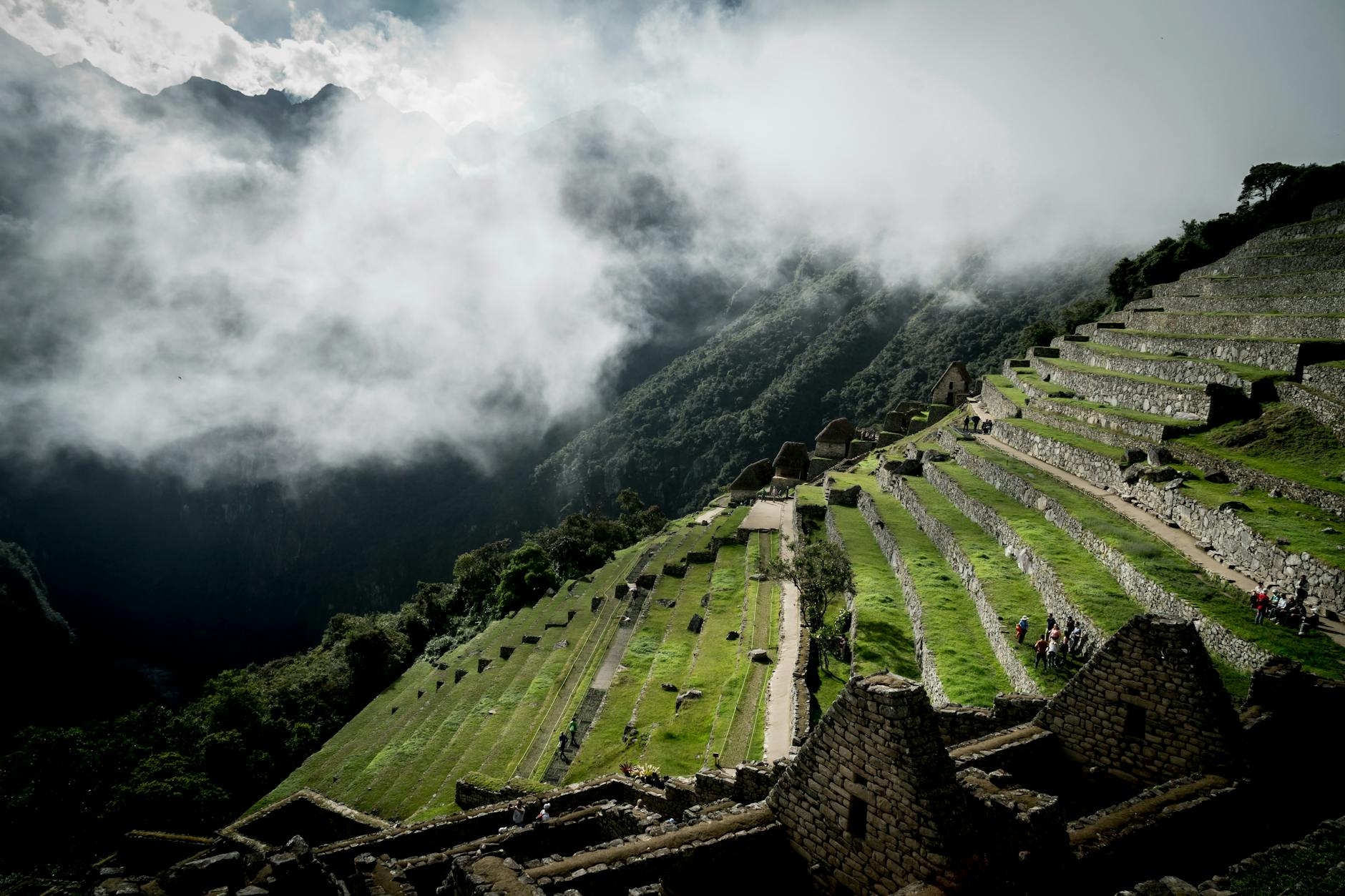
As a dedicated wildlife photographer, mastering the art of framing and composition is crucial to capturing breathtaking images. The key lies in focusing on the subject while harmonizing the surrounding environment. Paying attention to the foreground, midground, and background can add depth to your photos, making them more engaging. One effective technique is to use natural elements like branches or foliage to frame the subject, adding context and dimension to your shot. Reflecting on your time spent at the wildlife exhibits at Melbourne Museum, you can harness those insights to better compose your images in diverse settings like machu picchu tours or a tanzania safari.
Capturing Movement and Behavior
In wildlife photography, capturing movement and behavior is essential to documenting the true nature of the animals. Patience is key; observing creatures in their habitat gives you the opportunity to anticipate their actions. Using a fast shutter speed can help you freeze motion, while a slower one captures a sense of dynamism and fluidity. Continuous shooting modes are beneficial during fast-moving scenarios, ensuring you don't miss that perfect candid moment. This experience can be akin to planning for the captivating displays at Healesville Sanctuary where timing is everything.
Playing with Natural Light
Harnessing natural light is an indispensable technique that can transform your photographs. Early morning and late afternoon light, commonly known as the 'golden hour', offers a soft, diffused glow that flatters wildlife. Backlighting can create striking silhouettes, while sidelighting adds texture and depth. Consider how you utilize available light effectively, making your composition more vivid. When explored in conjunction with insights from local landmarks, such techniques can elevate your work across different settings, from the familiar to the exotic.
Ethical Photography Practices
Minimizing Disturbance to Wildlife
As a wildlife photographer with an unwavering commitment to conservation, I find a deep responsibility in minimizing my impact on the animals I capture through my lens. It's crucial to maintain a safe distance and use long lenses, allowing for detailed shots without encroaching on their habitat. Recognizing the natural behavior of species can help in predicting their movement and ensures that you don't inadvertently cause stress or disrupt their natural activities. Whether documenting the vibrant life seen during central america tours or the diverse animals on africa tours, the welfare of wildlife should remain a top priority.
Environmentally Friendly Techniques
In our pursuit of the perfect shot, implementing environmentally friendly techniques is essential. Utilizing natural light not only showcases the subject authentically but reduces reliance on artificial lighting, which can be disruptive. Additionally, carrying reusable water bottles and biodegradable products helps minimize waste, especially in remote locations. Being mindful of our footprints and maintaining trails as much as possible are small actions that collectively contribute to wildlife conservation.
Collaborating with Conservation Efforts
Collaborating with conservation organizations can elevate your photography and advocacy impact. These collaborations facilitate a deeper understanding of the ecosystems and wildlife you aim to protect and provide platforms to amplify conservation messages. By participating in conservation projects, you not only gain insights into sustainable practices but also align your work with meaningful causes. Fellow photographers and enthusiasts frequently share experiences, bolstering a network dedicated to preserving natural habitats for future generations.
Avoiding Frequent Photography Pitfalls
Common Wildlife Photography Errors
In our pursuit of the perfect shot, it's all too easy to make mistakes that detract from the wonders we aim to capture. One prevalent issue is failing to adapt our approach to the unpredictable nature of wildlife. Patience is key. It's important to appreciate the subtleties of animal behavior, whether you're at the Royal Botanic Gardens or witnessing the captivating displays at Healesville Sanctuary. By allowing nature to unfold at its own pace, we can seize moments that are genuinely special.
Furthermore, cluttered compositions often lead to missed opportunities. Simplifying the frame enhances the subject’s prominence. Seek out natural settings, like those you might find when exploring the wildlife exhibits at Melbourne Museum, to create clean, arresting images.
Gear Mishandling Missteps
Improper gear management is another stumbling block on the path to exceptional wildlife photography. I've learned from experience that neglecting regular maintenance can sideline your efforts. Keep lenses clean and dry, particularly in humid environments where condensation can pose a threat. Invest in quality waterproof cases to safeguard your equipment against unexpected downpours in Australia's dynamic weather.
In the spirit of wildlife preservation, it's also crucial to ensure that your equipment blends with surroundings, minimizing the disturbance to creatures. This harmony with nature aids not only in conservation but in achieving more authentic shots.
Reflecting on and Learning from Past Experiences
Reflecting on our missteps is not just beneficial—it's essential for growth. Having a journal to jot down lessons learned after trips to sites like Healesville Sanctuary can provide invaluable insights for future endeavors. Whether a missed shot of a hopping kangaroo or a botched sunset silhouette, each mistake carries the seeds of future success. The journey to mastering wildlife photography is a path defined by curiosity and respect for our natural treasures. As dedicated photographers and conservation advocates, embracing these experiences ensures that our efforts remain aligned with both artistry and stewardship.